
10m beta sp. col. 1997
PERFORMERS P J HARVEY NATSUME SHIROYAMA YUKIKO ONO
CAMERA NIC GORDON SMITH
EDITOR LUCIA ZUCHETTI
MUSIC P J HARVEY JOHN PARRISH
STILLS ED MILES
‘We are all extraterrestrials in search of home and love.’ Julia Kristeva
Amaeru (v) the attempt to draw close depend and belong
two japanese girls appear in the west country in a radio transmitter field above eggardon fort; they go to school in Lyme Regis; sleep in the same bed; make things; dream; read The Family by Charles Manson and disappear.
I returned to the places of my childhood with the artists Natsume Shiroyama and Yukiko Ono and filmed what happened, what transpired was beyond my memory something spiritual and universal.
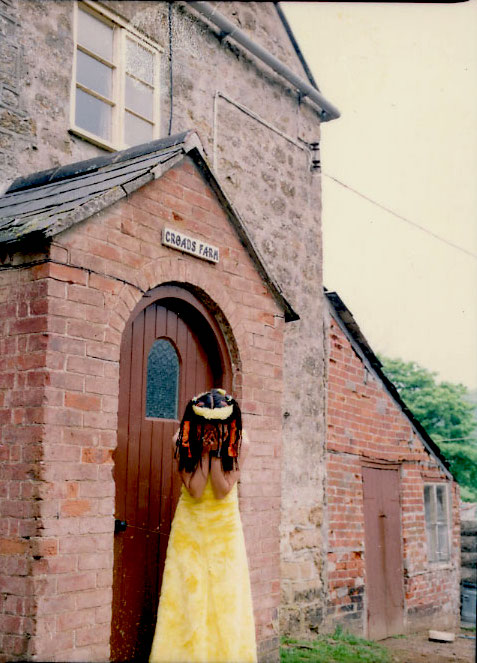
Japan’s concerns with past traumas and impenetrable surfaces at once concealing and constricting seemed appropriate to my own memories of growing up as an outsider in Dorset in the late sixties at that time a closed and isolated place. Remembering the sudden death of my maternal Grandmother.
THE FILM
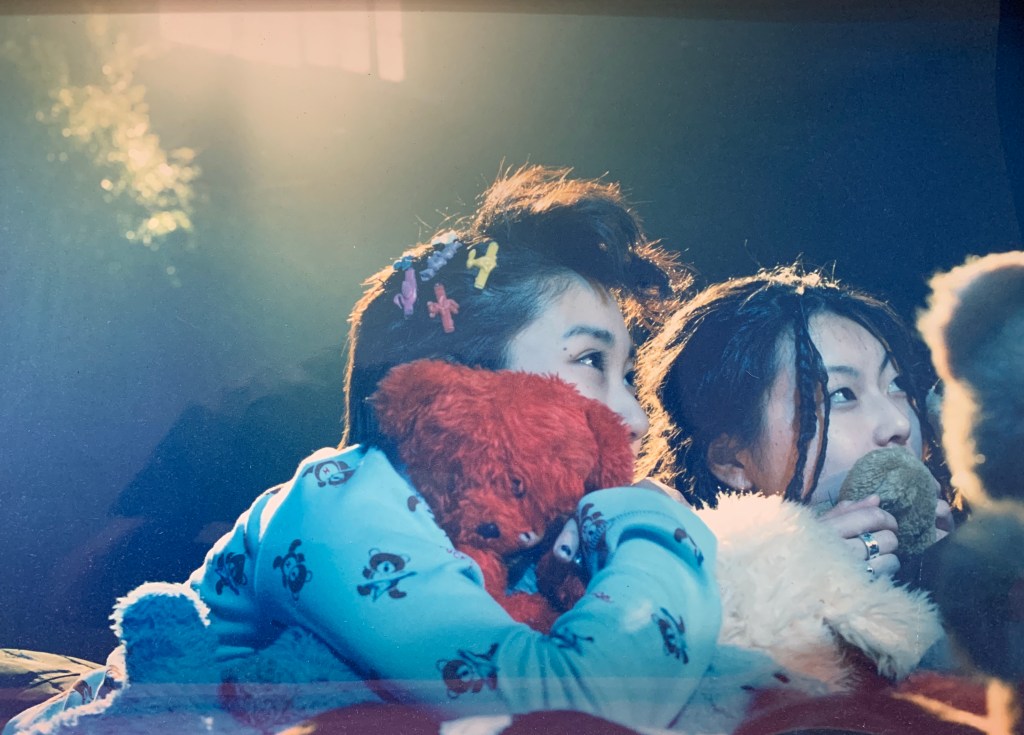
Polly is really pretty
We ate a lot
We get fatter and fatter
So many mosquito and butterfly
Old woman too amaeteru (behind the scenes Natsume and Yukiko are recorded speaking in japanese)
The two commonest words in Japanese literature are sadness and nostalgia
THE PSYCHOLOGY OF AMAE
In his book The Anatomy of dependence Takeo Doi (1971) describes the psychology of amae as a way of understanding the Japanese experience and also as an excellent vantage point for looking at the West and issues of personal freedom.
Amae is the desire to be passively loved- Amaeru is the craving of a newborn child for it’s Mother, this feeling carries into adulthood.
Doi examines the implication of Amae and a vocabulary of linguistically related words that express what happens when amae is frustrated distorted.
HItomishiri repressed amaeru shame and anxiety about strangers
Amaete iru taking advantage of the position of being a victim having a sense of grievance
It would be wrong to say that only youth amaeru today. Adults do it in their own way you could say the whole nation is wallowing in a mood of amae.
Notes on Home
The historical link between home and sickness nostalgia and loss suggests that home in a sense has always been unheimlich not just the utopian place of safety and shelter
For which we supposedly yearn
But also the place of dark secrets of fear and intrigue that we inhabit fur tively
Perhaps in this light the best we can do is bring it in all it’s complexities out into the open.
Angelika Bammer
When mourning becomes telepathy
Experiences which remain exiled in memory are activated by the filmmaking process.
Natsume didn’t want to go home after the shoot she fell asleep on the stairs
Mr Haylock Head Master chose to deliver a class on incest in Hamlet
Another teacher was giving a class about loneliness
‘You’re on your own in an empty house in the country you don’t have to be lonely’
Mr Sweetland recreated a burnt match in chemistry
We attracted a crowd in the playground
Yuki and Natsume (who had never met) talked all night together in all their clothes on the bottom bunk
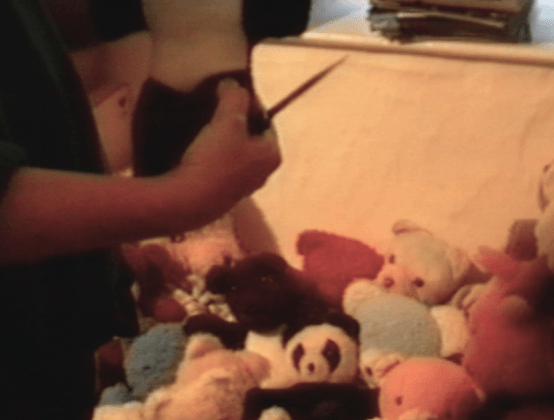
My mother provided her collection of teddy bears. I was after her brother died of AIDS and she had seventy, they had names they belonged and their histories filled a gap of loss.
Natsume Shiroyama chick performance

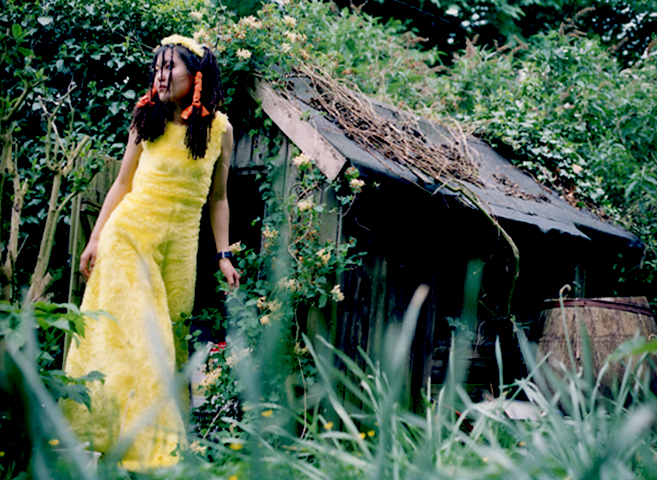

The two commonest words in Japanese literature are sadness and nostalgia

P J Harvey records and performs an ‘otherwordly’ version of When Will I see You Again by the Three Degrees 1973 with John Parrish
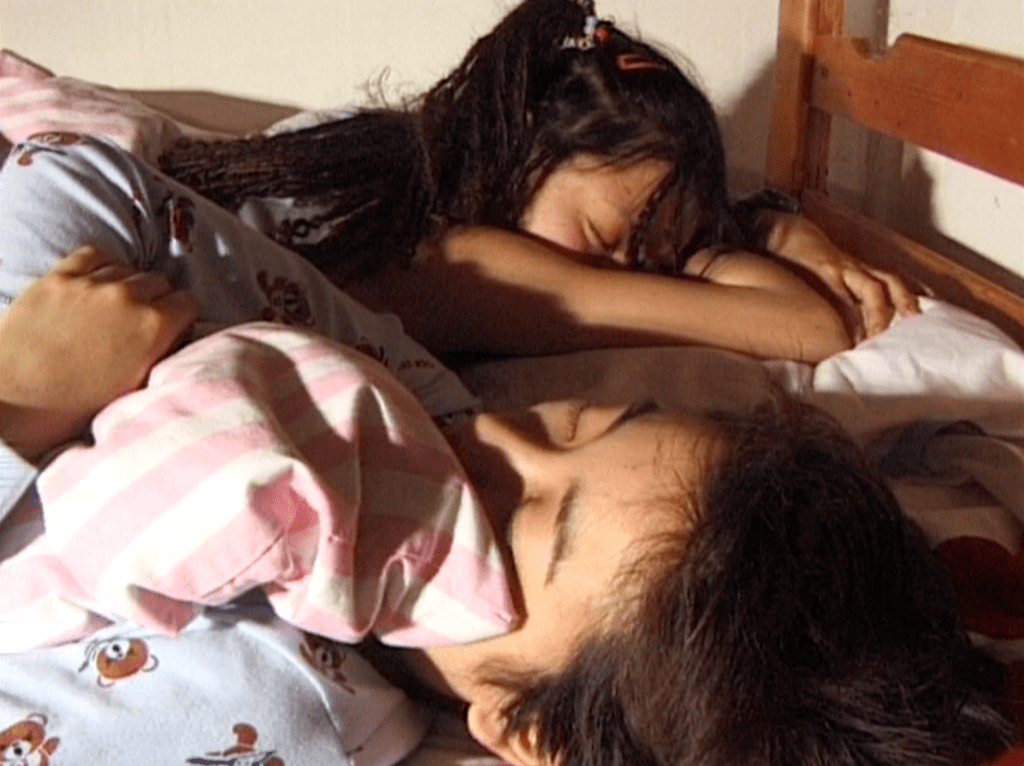
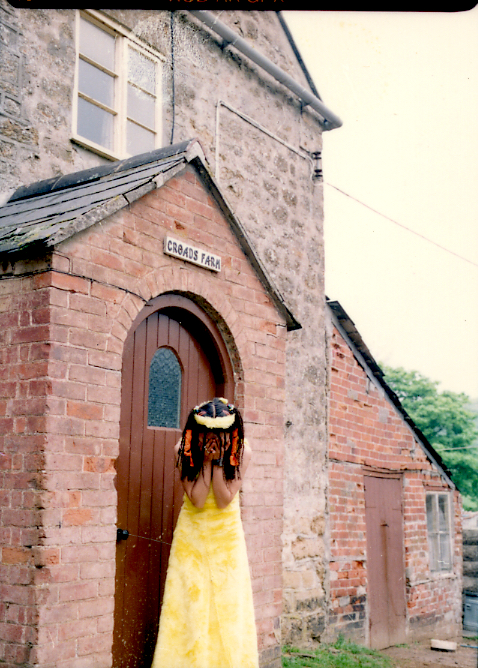
‘Yukiko sleeps on and her dream erased itself as it happened ‘ quote
Sombrero fallout a Japanese novel RIchard Brautigan
In an initial meeting with Yukiko the interpreter said she understands everything you are saying but she can’t express it in herself
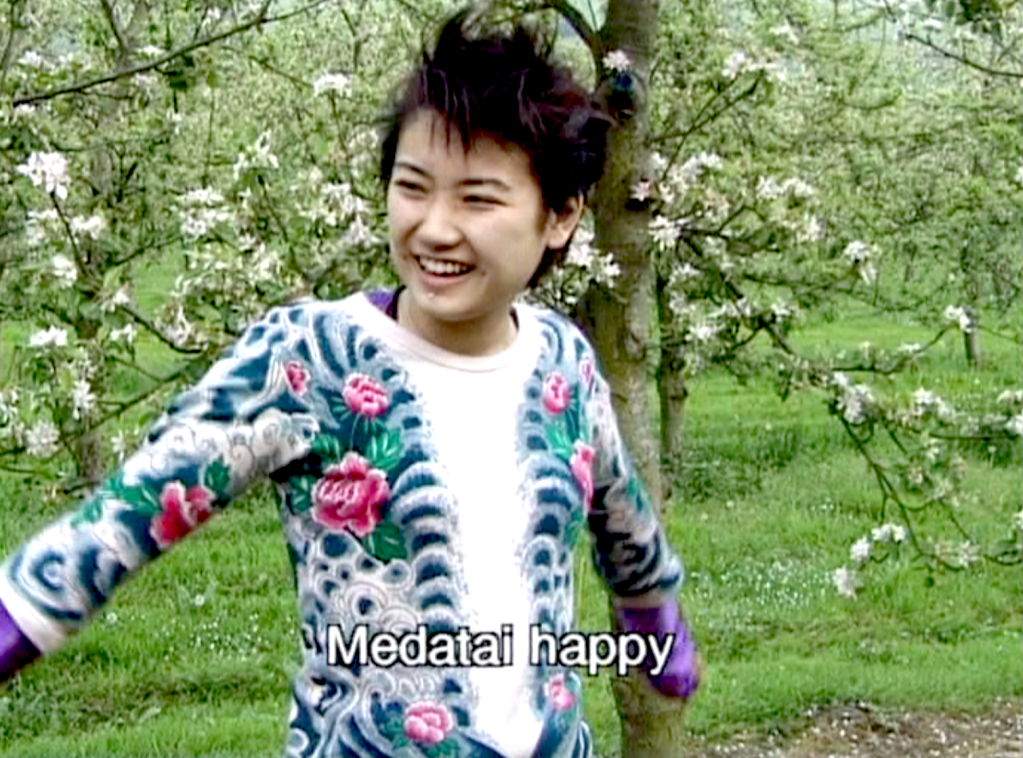
Mono noaware the sensitivity to beauty and the ah ness of things as related to identification.
NATSUME SHIROYAMA SCREEN TEST 1997
 Sarah Miles Films