Isabelle Huppert describes Wanda as a film about Loden’s relationship to cinema itself and her relationship to herself.
(She said all her films were an extension of herself, except there weren’t many, perhaps suggesting she wasn’t privileged with extension.)
WHO KILLED MY SISTER?
In her essay Wanda For Wanda Berenice Reynaud writes about what she can find on Loden’s beginnings and her gradual erasure in film history.
She writes ‘The story of the lump’ and quotes Jaques Lacan “Woman is symptom to man.”
Kazan is envious of Barbara’s ability to access her anger, he describes to his analyst a pain under his ribcage, ‘That is a lump of unreleased anger,’ the analyst tells him, he leaves and never returns. However not long after Barbara takes his hand placing it on her breast. ‘there’s a lump.’ She says and is dead within two years, not without a fight.
She had said: “I have a lot of pain and suppressed anger in me, just like Wanda and explained the apparent “apathy” of her character as a way to conceal an inner hidden turmoil (which she significantly describes as a physical symptom.)
Bowlby writes of this repression and loss of affect as pathological mourning and wandering as a search for the lost object.
After screening my film No Place (4) in Tokyo my interpreter Atsuko told me that my film quotes her favorite and for her the saddest line in all cinema: Who killed my sister? Later jet lagged and sleepless I googled the line to see if it had been used as a film title and as I drifted further I came across ‘That’s my sister on that 37 cent stamp’ an article by Barbara Loden’s half sister about how Loden had ended up on a U.S stamp and how this came to her by chance.
1.A Life Elia Kazan
2.The Mask of Shame Leon Wurmser
3. Loss John Bowlby
4. No Place dir. Sarah Miles 2005
THAT’S MY SISTER ON THAT STAMP
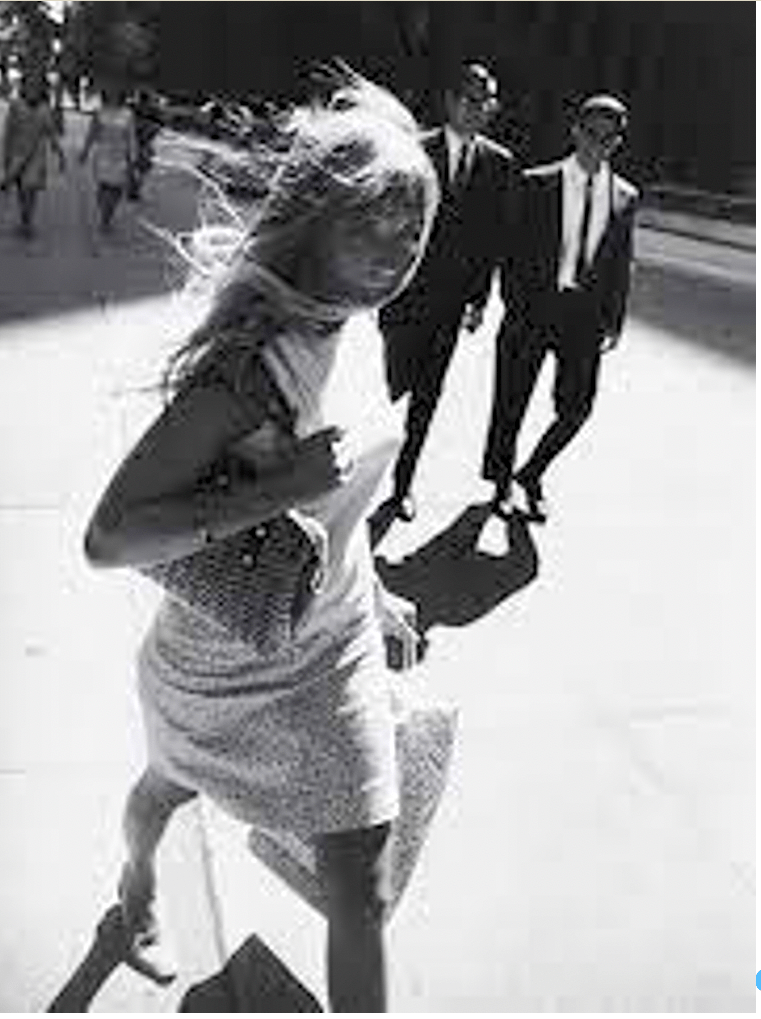
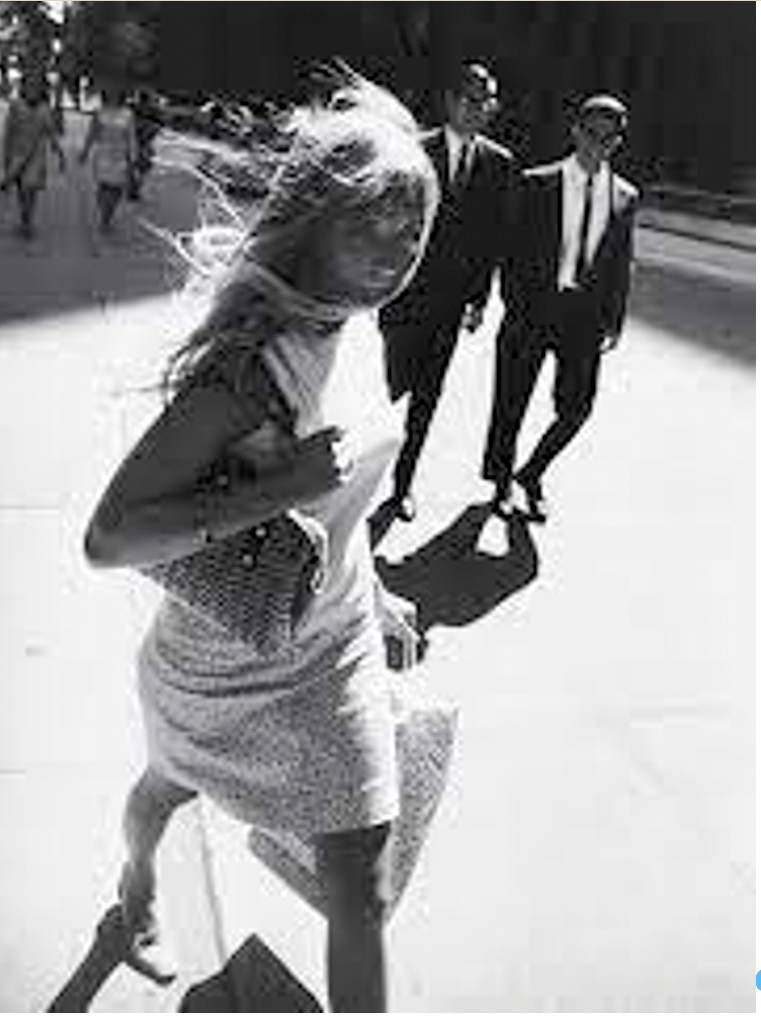
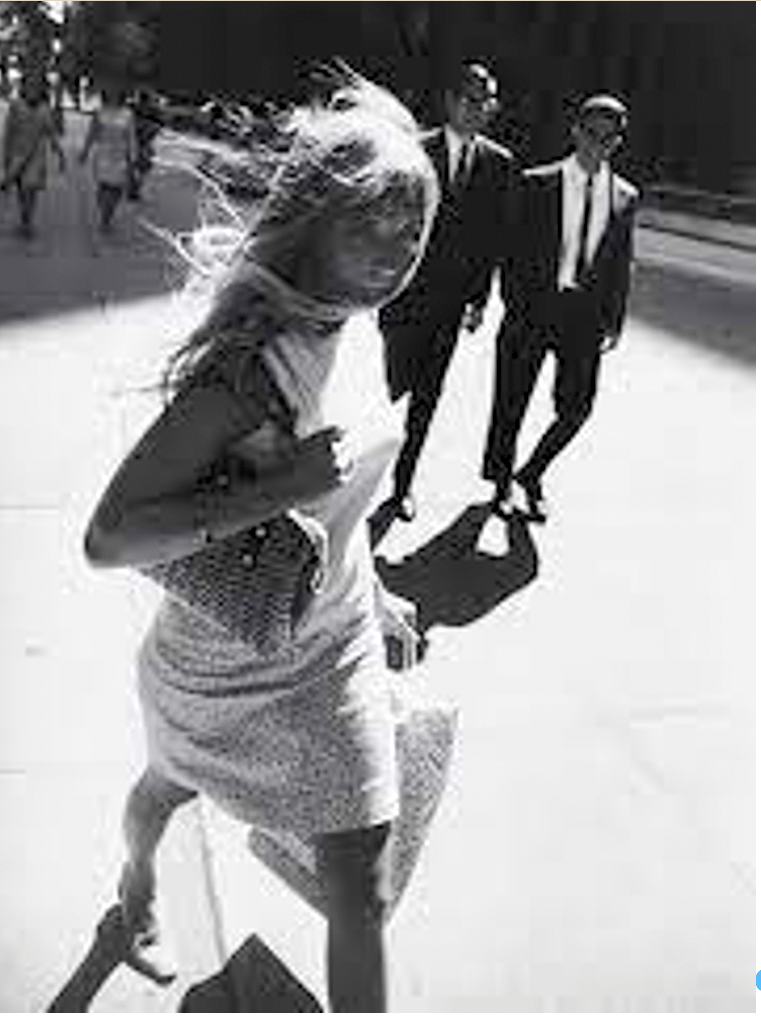
In the Masters of American Photographers commemorative stamp series 2002, an image was selected by photographer Garry Winogrand (1928 – 1984). Winogrand had unknowingly captured Barbara Loden’s image on the streets of New York City in 1965.
The black and white photograph now owned by Fraenkel Gallery in San Francisco appears in Winogrand’s book Women are Beautiful 1975.
Winogrand writes in his introduction,
‘In the end the photographs are descriptions of poses or attitudes that give an idea
a hint of their energies. After all I do not know them’
He did not know this was Loden, neither did the US Master General.
This is a tribute to Loden’s spirit of determination, unknown, posthumous and uninvited she’s there on the most institutional of objects the US stamp.
And this makes me think of long-lost sisters. Lost in that I don’t know them—I never got to know them—and lost in that they have become unmoored from something stable and sure, struggling in a male-dominated world, but she’s still here. I’m still here.
SUDDENLY WANDA
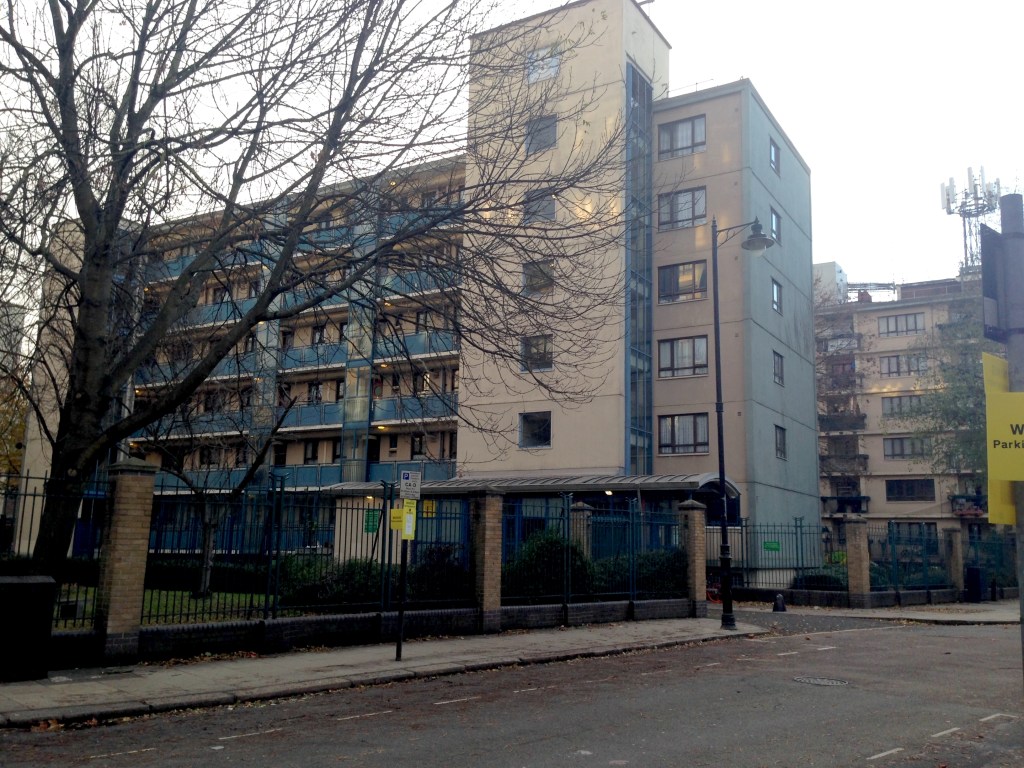
My mother told me recently that she had wanted to call me Wanda, she had wanted to do a lot of things. I first saw Barbara Loden’s film Wanda late night on BBC 2 on a small Sony Trinitron in my council flat high above the London skyline. I had just agreed to let my teenage son go and live with his father after years battling for the critical importance of mothering. Seeing Wanda alone and isolated in the tower, the film left it’s texture and it’s aura with me, her blank cancelled out my blank leaving a beautiful after image of 16mm reversal and at last the ambivalence of motherhood was there for me to see thanks to Barbara Loden. (1)
Years later the film has a deserved recognition and DVD release courtesy of the passion of Isabelle Huppert and I revisit Wanda. This time round I didn’t know what to make of it, it seemed mysterious, maybe this was because I was seeing it as a filmmaker with years of experience. When I first saw it I was full of promise.
WANDA DVD MK2
In her interview on the DVD, Huppert, who is known for her radical portrayals of women, speaks in French and there is no translation available on the disc, making it seem as if the French have taken ownership. The quotations framing this beautiful object in graphic white black and red are by two French women, Isabelle Huppert (my own translation)
‘Wanda is a masterpiece, if she disturbs, throws us, it’s because she’s an angel who tells us her solitary journey in the land of men, it’s her turn to take over, her night enlightens us.’
and Marguerite Duras
‘I think there is a miracle in Wanda, normally there is a distance between the representation and the text, between the subject and the action, here this distance is completely cancelled, there is an immediate and definitive coincidence between Loden and Wanda.’
Hopefully, in time, it will not simply be appreciated by the French, but observed as a defining film in the canon of New Hollywood cinema.
CINEMA AS HEIST
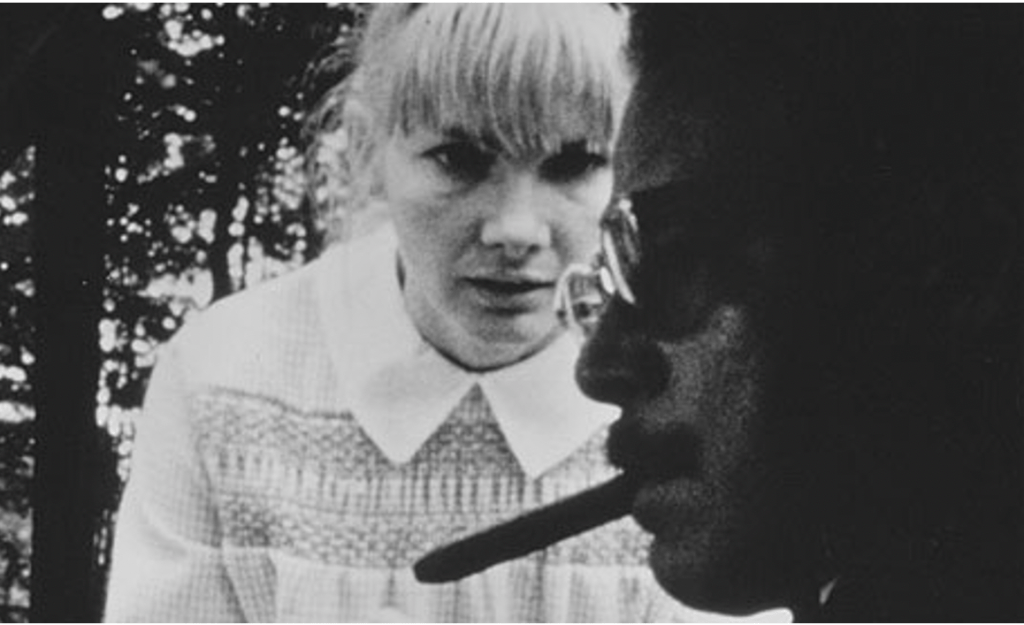
Mr Dennis smoking his big cigar, a conman, a tragicomic figure.
It seems fitting to write about Wanda from a personal point of view, I identify with Barbara Loden as an outsider, as a filmmaker struggling against rejection in the malestream and as a single parent. And the more I look into her life the more affinities I find. (2)
Isabelle Huppert describes Wanda as a film about Loden’s relationship to cinema
itself and her relationship to herself. (She said all her films were an extension of herself, except there weren’t many, perhaps suggesting she wasn’t privileged with extension.)
This resonates with my own work, I have written, directed, produced and performed in my own films and engaged with questions about identity, cinema and the unconscious.
I would like this study to have an element of drift like Wanda.
Loden says, ‘I’m not an intellectual’ and describes Wanda as nothing, an absent Mother who is living dead, it is a brave, radical and beautiful film.
1.Movies have the capacity to access lost affect and alienated selves.
Ref Madelaine Sprengnether Crying at the Movies
2. Loden says she escaped her hillbilly roots because she had different equipment, she ran away to become famous, I too ran away to be a star but found myself studying Brecht.
Loden studied Stanislavski and was a chorus girl.
3. How the film was received by feminists? There was alarm at the passivity of the lead,
Wanda was an unapologetic victim. She created a new image.
With her contempt for institutions, she knows she is the truth.
We’re not in the dimension of a show or spectacle but of humanity and the represssed and the deceptive simplicity reveals it’s complexity through the image and the jump cuts. The script has a hard boiled feel to it, there is an absence of sentimentality, an absence of affect.
WHO KILLED MY SISTER?
In her essay Wanda For Wanda Berenice Reynaud writes about what she can find on Loden’s beginnings and her gradual erasure in film history.
She writes ‘The story of the lump’ and quotes Jaques Lacan “Woman is symptom to man.”
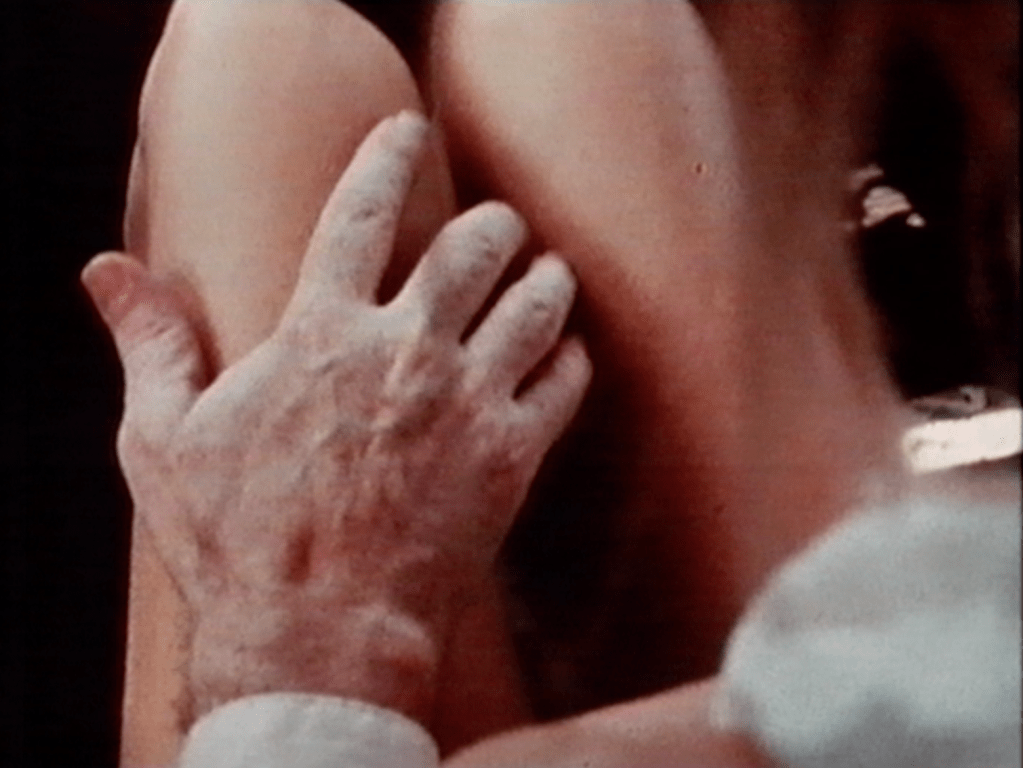
Kazan is envious of Barbara’s ability to access her anger, he describes to his analyst a pain under his ribcage, ‘That is a lump of unreleased anger,’ the analyst tells him, he leaves and never returns. However not long after Barbara takes his hand placing it on her breast. ‘there’s a lump.’ She says and is dead within two years, not without a fight.
She had said: “I have a lot of pain and suppressed anger in me, just like Wanda and explained the apparent “apathy” of her character as a way to conceal an inner hidden turmoil (which she significantly describes as a physical symptom.)
Bowlby writes of this repression and loss of affect as pathological mourning and wandering as a search for the lost object.
After screening my film No Place (4) in Tokyo my interpreter Atsuko told me that my film quotes her favorite and for her the saddest line in all cinema: Who killed my sister? Later jet lagged and sleepless I googled the line to see if it had been used as a film title and as I drifted further I came across ‘That’s my sister on that 37 cent stamp’ an article by Barbara Loden’s half sister about how Loden had ended up on a U.S stamp and how this came to her by chance.
1.A Life Elia Kazan
2.The Mask of Shame Leon Wurmser
3. Loss John Bowlby
4. No Place dir. Sarah Miles 2005
CONCEIVED IN A FIELD OF DAISIES
and born on the wrong side of the tracks’ is how Elia Kazan describes Barbara Loden, his second wife.
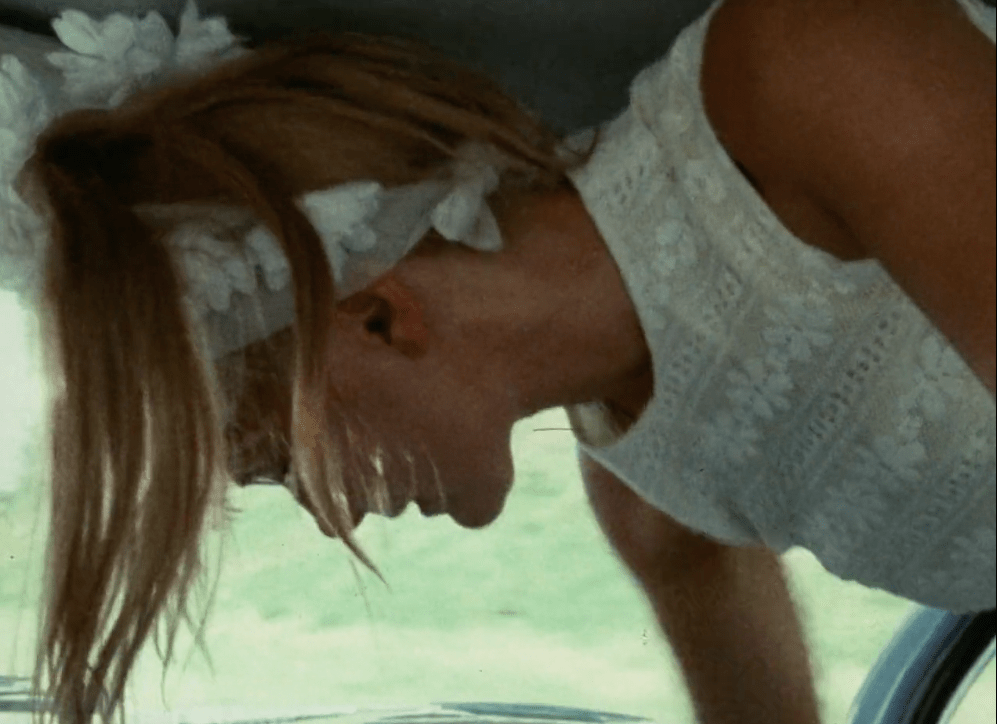
Various dictionaries show the traditional meaning of daisies as signifiying purity or innocence. Daisies are durable – survivors. Trample them one season and they come right back the next. They are ‘adaptable’. According to a Native American friend, daisy is also slang for ‘excellence’. Conceived in a field of daisies conjures the image of a beautiful procreation, something natural, but then there is a duality and something transgressive about the wrong side of the tracks. This echoes Kazan’s glossy academy award winning film Splendor in the Grass. A paen to the heights of teenage passion in which a young Natalie Wood portrays an ‘Ophelia’ who is cured of her passion by a spell in a mental institution and returns an adult clothed with the disillusionment of maturity.
Loden appears as the older sister to Warren Beatty, a good time girl familiar with the wrong side, she disappears, there is no storyline for her.
There is not much documentation in the public domain about Loden’s childhood and I would like to research this along with an interview with Nick Proferes.
WHAT DO YOU HAVE TO SAY?
NOTHING
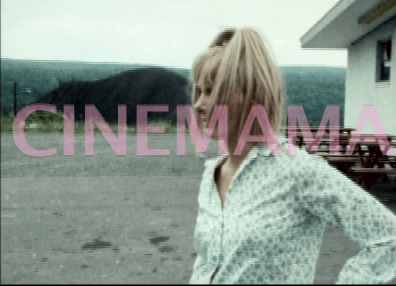
The opening of the film establishes the mining landscape of Pennsylvania. A panning shot settles on a clapboard house, there is no boundary between the house and the surroundings, it is in the pit. Inside, a montage reveals an old lady staring blankly at this pit, another younger woman holds a child and opens a fridge, a man leaves for work and Wanda wakes up on the couch.
Later at the custody hearing in the courtroom, Wanda’s husband is bewildered by her. Wanda can’t sustain anything, she is useless and without purpose or self pity. (1)
When the Judge asks her if she has anything to say after losing custody of her children she says, Nothing. Before long she has attached herself to a desperate criminal Mr Dennis and become his accomplice in a doomed bank job.
SOMEONE STOLE ALL MY MONEY I WAS WATCHING A MOVIE
Wanda is always not looking, she is absent from herself, and has been described as zombified, catatonic, a different quality to the blank tabulae rasa of the ‘movie star’ the close ups of which we could get lost in. Wanda’s inability to look is evidenced in the scene in which she takes refuge in a cinema, a common trope of the European cinema Loden admired.
Whereas Godard has Anna Karina watch The Passion of Jeanne D’Arc creating a melancholic register, a superlative longing, cross cutting between the two faces wet with tears and haunted by lost mothers, Barbara Loden has Wanda watch a Mexican musical El Golfo 1969 in which a band of musicians sing Ave Maria. (2)
(1) In the pathos of failure in American cinema of the seventies, Thomas Elssassaer discusses the anti action movie and the rejection of a purposive ideology of progress.
Barbara describes Wanda as living dead, that she has shut her self off from the forces that are trying to penetrate her.
(2) When reality elevates itself to spectacular levels, people tend to say, “It was like a movie.” Loden takes the movie sensation and defuses it. It is an affectless movie, as Wanda drifts through a series of institutions; from the coal face, to the courtroom, to the bank, until finally she sits alone in a crowded bar and the frame freezes, it is as if she is crushed by the resistance necessary to search for alternatives to the present destructive, alienating and unjust dominant order.
This passionate calling for the intercession of Mary (3) is shown as truly arbitrary, there is no transcendent moment, Wanda falls asleep. The bringing together of this surplus of affect with the numb lack of affect in Wanda, associates affect with movies and mothers. And when she wakes up to an empty cinema she realises that she has been robbed, and she searches anxiously for her purse.
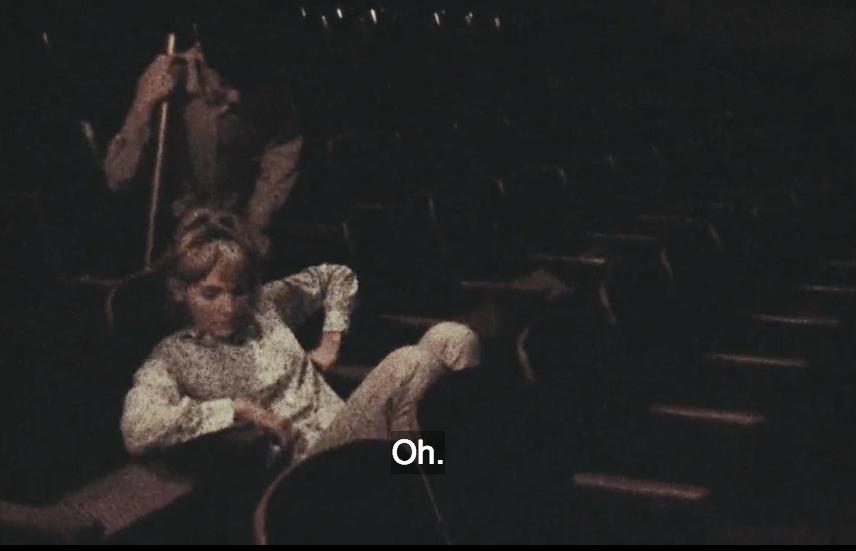
Wanda goes from robbed to robber. And there is a wealth of psychoanalytic writing about crime and the loss of the Mother. (3a)
She gets robbed a lot. In my twenties I wrote stories about the throwaway girl wandering. I was always losing things and being robbed.
IF YOU DON’T WANT ANYTHING YOUR”E NOTHING, YOU MIGHT AS WELL BE DEAD.
WELL I’M DEAD THEN
The sense of Barbara from Kazan’s life is of someone who captivated him with her toughness.
‘At first our affair was nothing more than dog and bitch’. (4)
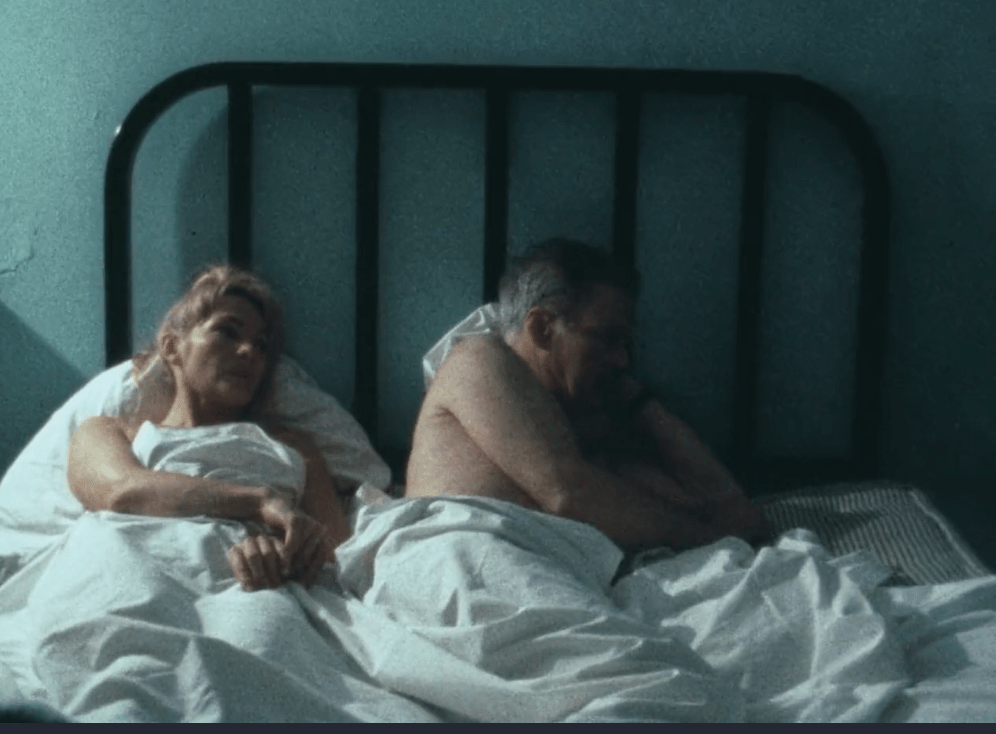
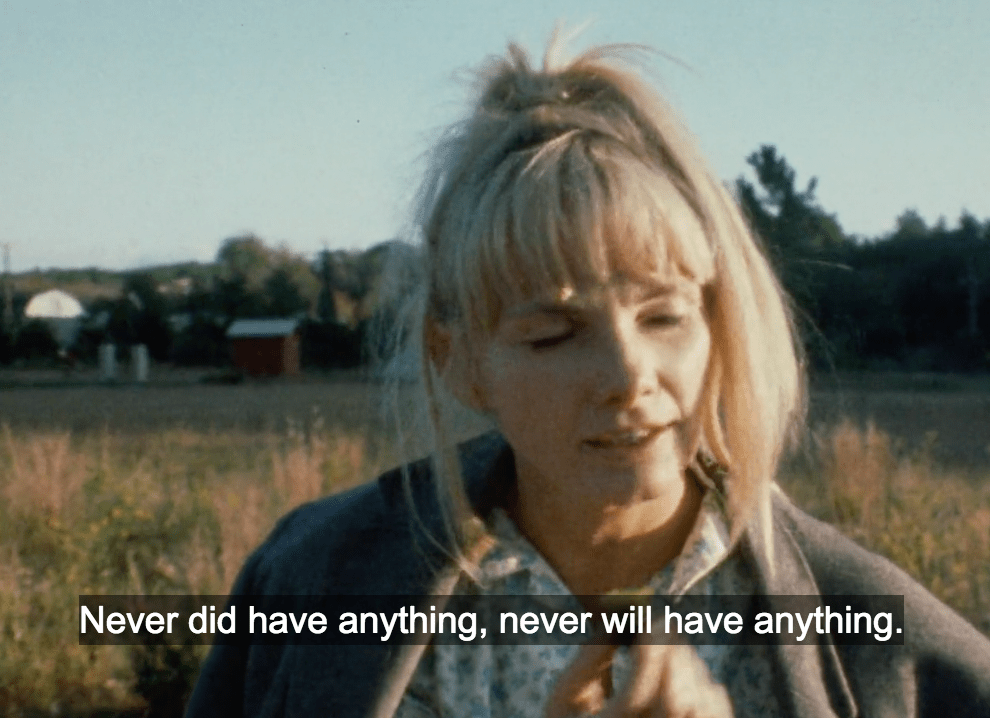
On the DVD extra an aging Kazan wanders around a hotel room in an overcoat all muted greys and voile curtains while a voice follows him whispering Mr Higgins…..
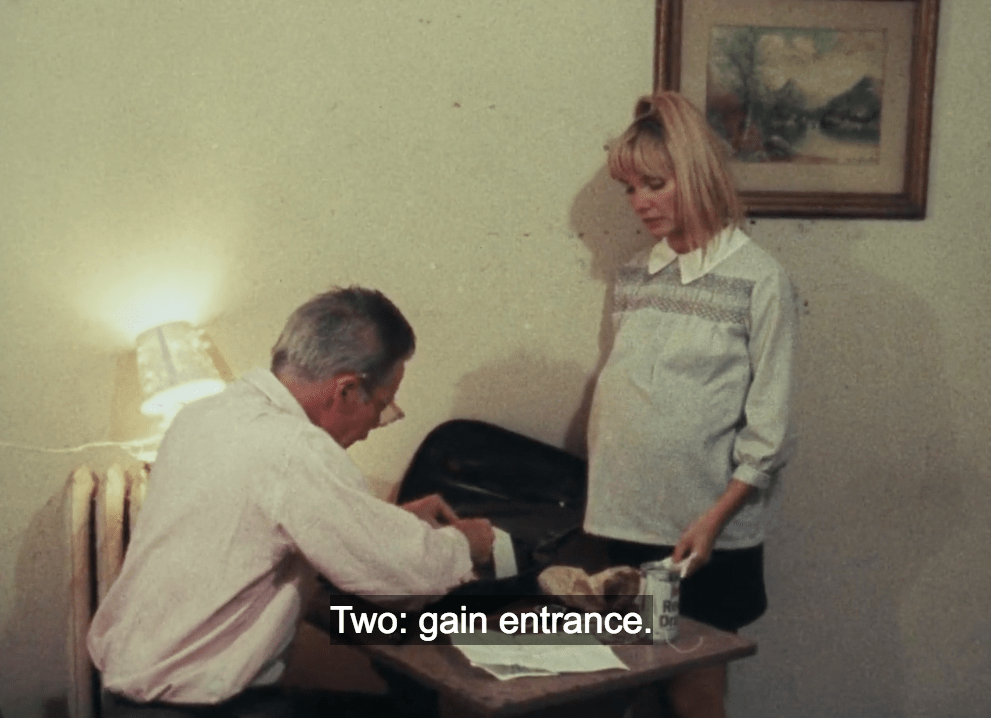
Don Delillo says: “She is simply the empty space designed to accommodate a man’s self-doubt and flaring rage.’ (5)
However, Loden’s portayal of Mr. Dennis is tender.
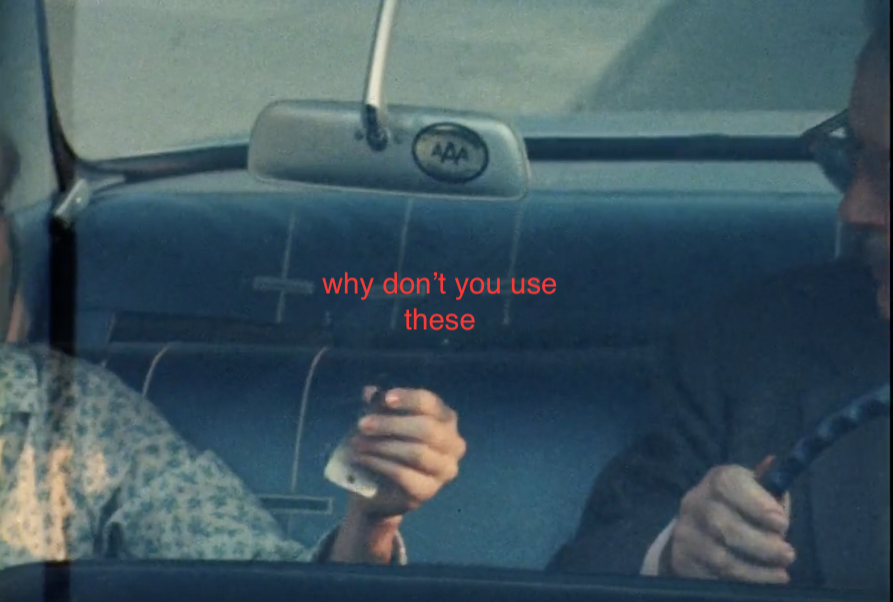
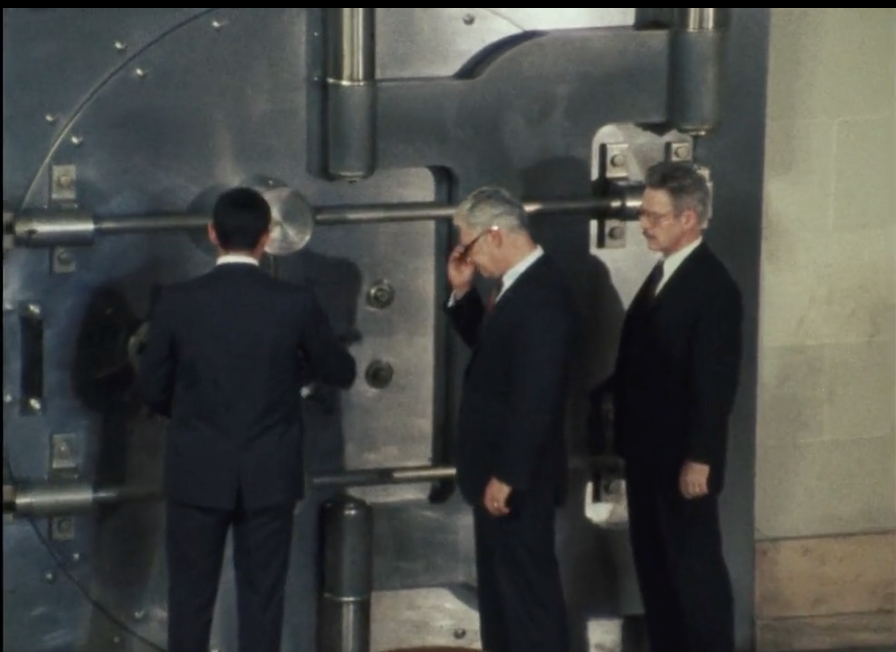
I CAN’T DO IT MR. DENNIS, THE GHOST OF MATERNAL AFFECT
I can’t do it, I can’t do it, I can’t do it
you can you can
I can’t I can’t I can’t do it Mr Dennis
Maybe you never did anything before but you can do this
The prosthetic pregnancy is a stroke of genius.
Cutting from a scene at the catacombs of the Ecumenical church where Mr. Dennis sees his father, we cut to a hotel room where a pregnant Wanda approaches Mr.Dennis saying,
‘I can’t do it.’ He responds by punching her pregnant belly. She then pulls out a pillow from under her smock dress. During this rehearsal of her role in the bank heist, she is paralysed with stagefright, a symptom which mimics morning sickness.
‘I can’t’, she says. She can’t go through with it. ‘I can’t be pregnant.’
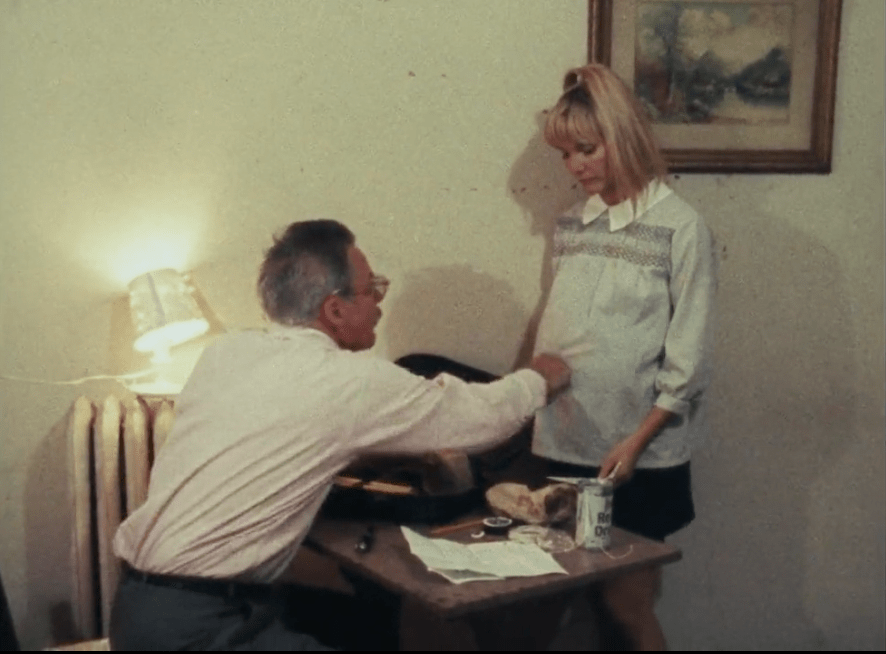
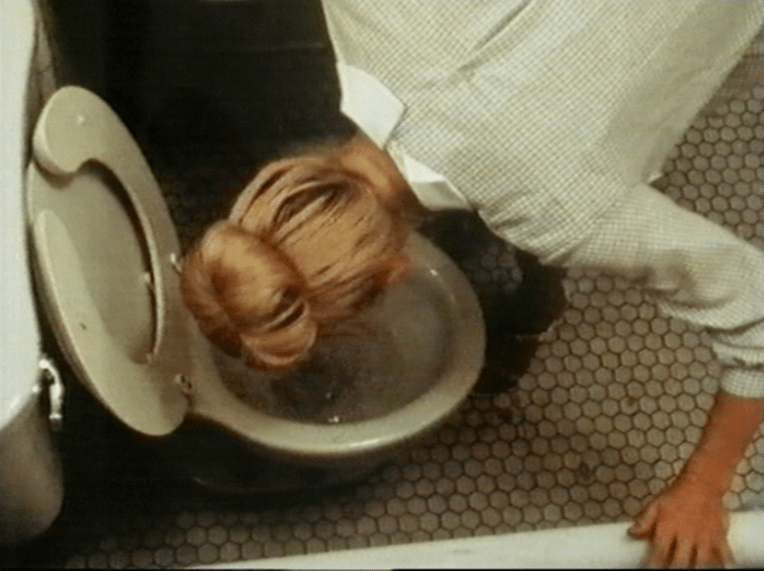
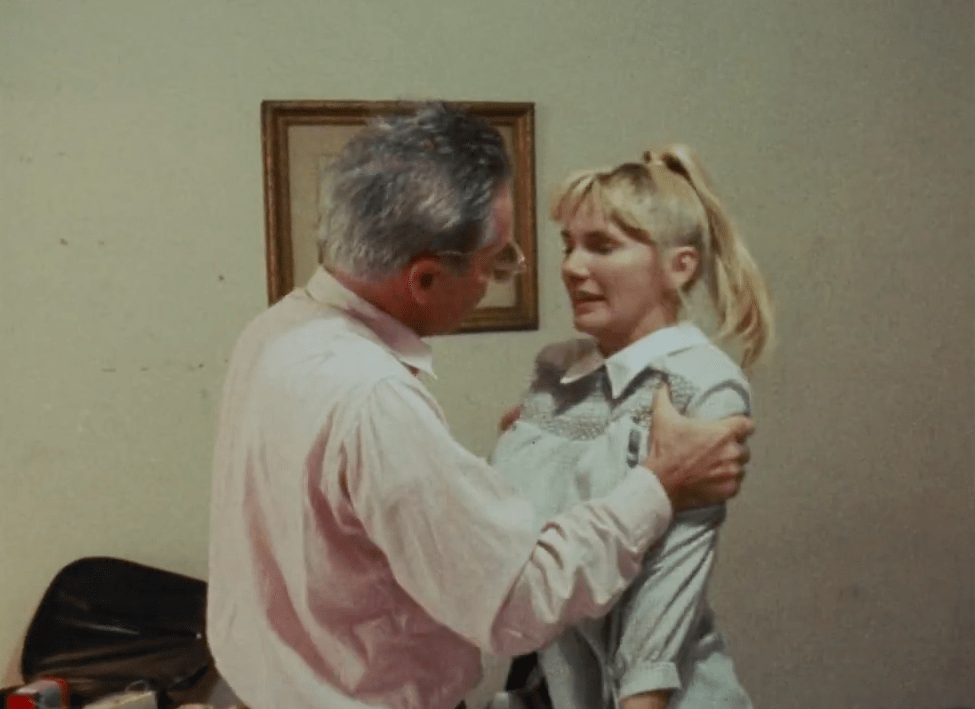
The ghosting of motherhood will not leave her. Meanings in Wanda surface in these jump cuts. It’s only a movie, is reputedly what Hitchcock said to Kim Novak on the set of Vertigo when she was struggling with a scene. There are ghostly similarities to the theme of the makeover in Wanda, as if Vertigo was directed by Buster Keaton.
Finally Mr. Dennis says to her, ‘You may never have done anything, but you can do this.’
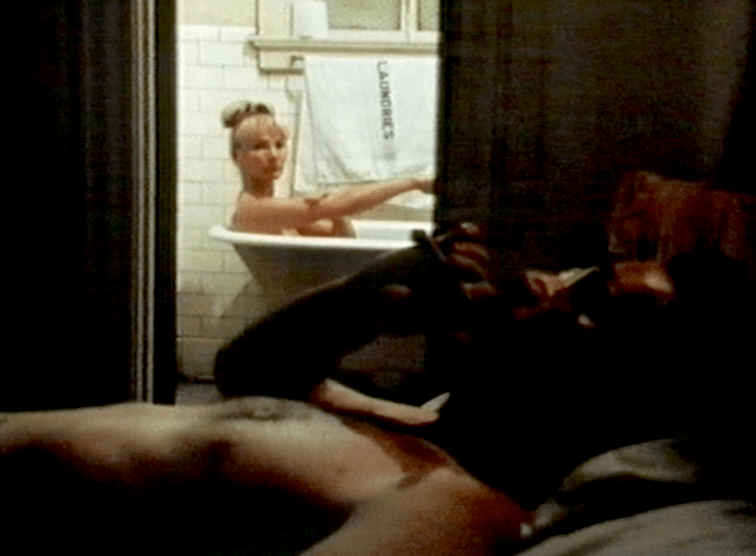
And the gradual coming alive of Wanda steps up. In a wide shot Mr. Dennis is in the foreground cleaning his gun, whilst Wanda is seen bathing in the bathtub learning her lines. She maybe channelling Marilyn Monroe at this point, repeating the very simple lines over and over, it feels as if she is playing mischievously with the whole process, enjoying the power and the attention of engagement.
3 “Hail Mary, full of grace, the Lord is with thee; blessed art thou amongst women, and blessed is the fruit of thy womb, Jesus. Holy Mary, Mother of God, pray for us sinners now and at the hour of our death. Amen.” The first part is from Luke 1.28,42. The prayer is much used in private as well as in public devotions, e.g., in the rosary, as seen in the opening sequence where an old lady sits staring out a window holding a rosary.
Note: Stanley Cavell writes that cinema derives it’s power from it’s connection with early infantile experience. In this context (Wanda in the cinema) her falling asleep is avoidant of something she cannot bear.
4. A Life Elia Kazan
5. The word the image and the gun. A woman in the distance Don Delilo
Shit Shit Shit
A Life, the life Elia Kazan writes is full of death. Loden is introduced into the story late, she dies first and then he remembers her. He describes her as ‘This girl who’d uncover what is generally kept discreet with such complete candour. A roulette wheel that wouldn’t stop turning.’ There was something improper about her. His first wife dies after she can finally do what she wants in her empty nest, his mother dies magisterial and cruel and then Barbara who fills the gap dies. ‘Shit shit shit,’ he writes were her last words.
There is a moving moment between this husband and wife when he describes searching her belongings after her death and finds the notebooks, the tapes, the search for spiritual guidance, the scripts and then buried deep in a hidden drawer a love letter from Nick Proferes, it is a rejection and Kazan keeps it private. The rejection Loden experienced in her life and her career leads Kazan to conclude, (6)
‘There were six people I knew well and loved, having studied their lives I knew that their spirit had been broken and this led me to wonder about this transition from the forties to the fifties, this nadir. And the relationship between creativity and health…..
There is a vital core inside a human being where his or her self esteem lives
When that vital core is crushed the person may not let it be seen…
But a terrible thing has happened …that’s the road to the grave. There is an opening that a malignancy has waited for. I was beginning to believe that a long series of unhappy events in this woman’s life from the time she was a neglected child …..that it was these inner intimate events which were to cause her death.’
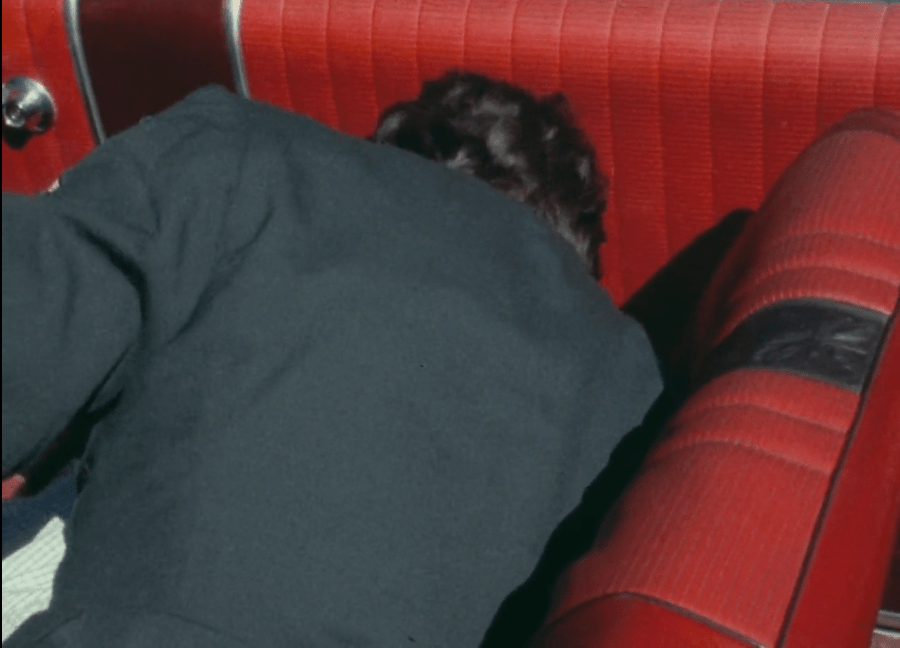
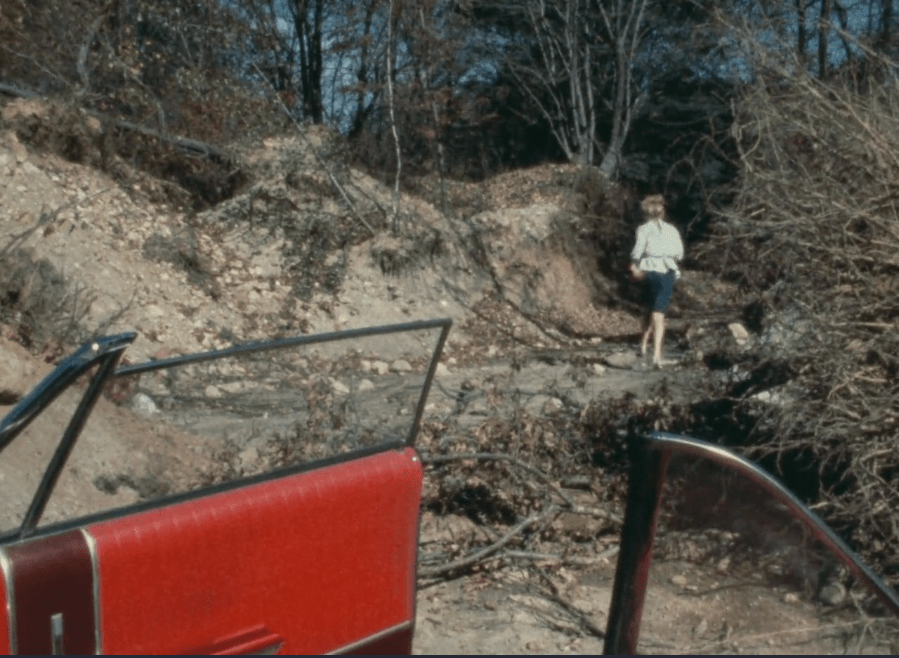
And this makes me think of long-lost sisters. Lost in that I don’t know them—I never got to know them—and lost in that they have become unmoored from something stable and sure, struggling in a male-dominated world, but she’s still here. I’m still here.
Gee Everything doesn’t have to be perfect
There is an interview on the DVD in which Loden’s voice is heard on a black empty screen, there is something incredibly poignant about this voice out of the dark burrow of losses and buried feelings.
She speaks about how she wanted to show something ordinary and that Wanda was an extension of herself and this reminded me of Lindsay Anderson’s manifesto for Free Cinema.
On her influences she mentions Warhol and then laughs, quipping, ‘I’m not an intellectual’.
After Wanda one of the projects she worked on was an adaptation of The Awakening by Kate Chopin
The idea of the film started when Loden read a newspaper article about “a girl [Wanda Goranski] who had been an accomplice to a bank robbery and was sentenced to 20 years in prison… When the judge sentenced her, she thanked him” (Melton, 11). Due to Loden’s insecurity, it took her a while before coming to terms with her own desire to direct. She wanted “to be an artist… to justify her own existence… [But she] was very self-effacing, and never intended the film for release… This was a way to take the pressure off – the pressure to produce a work of art – if it didn’t turn out half-way decently” (Interview, Proferes).
Kazan wrote the original script The Gray World but Loden took it and made it her own.
Some facts
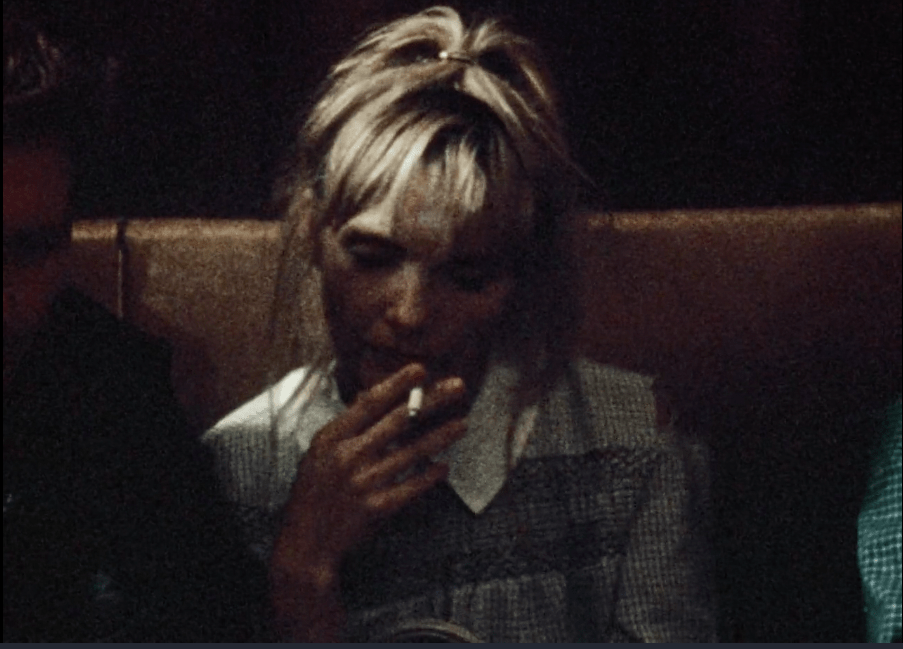
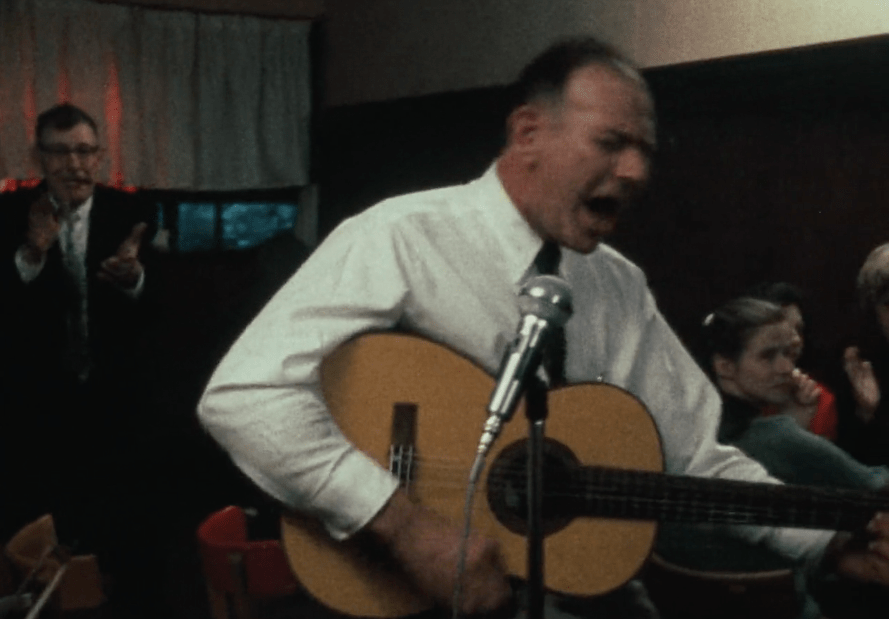
Wanda (1970) is the first and only full-length film by actress Barbara Loden (1932-1980) which she wrote directed produced and performed in. She made her film debut with a small role in Wild River (1960), followed by a major role in Splendor in the Grass (1961), both by Elia Kazan to whom she was married from 1968 until her premature death in 1980.
A brief synopsis of Wanda, according to the American 2006 Parlour Pictures DVD publication reads: “An overlooked landmark of 70s American cinema, Barbara Loden’s Wanda is a radical revisioning of the road movie genre. Writer-director Loden (wife of famed director Elia Kazan) stars as Wanda, a troubled young woman adrift in modern-day industrial wasteland until she embarks on a crime spree with a small-time crook (Michael Higgins). Bracingly honest and beautifully shot, Loden’s unique film deserves to be counted among the most formidable debuts in the history of independent cinema.”
Loden spent years getting the financing for Wanda, which was filmed on 16mm reversal and blown up to 35mm, giving the film a grainy, cinéma vérité aspect. The film was shot in ten weeks with only a camera and sound person.
Wanda received the International Critics Award at the 1970 Film Festival in Venice.
It was released in the US only in New York, and only in a single cinema, and quickly disappeared. In Europe, the film has been highly lauded and has unconditional fans, including Marguerite Duras.
In France in 2003, Wanda was re-released to cinemas on the initiative of Isabelle Huppert, who purchased the rights to the film. The first European DVD release, by MK2, has been available since 2004. With the DVD release the film has been gathering further acclaim ranging from articles by Don Delillo to a Facebook page.
Key Players Nicholas T Proferes Camera currently a professor at Columbia
Micheal Higgins as Mr. Dennis one of the great unknown performances.
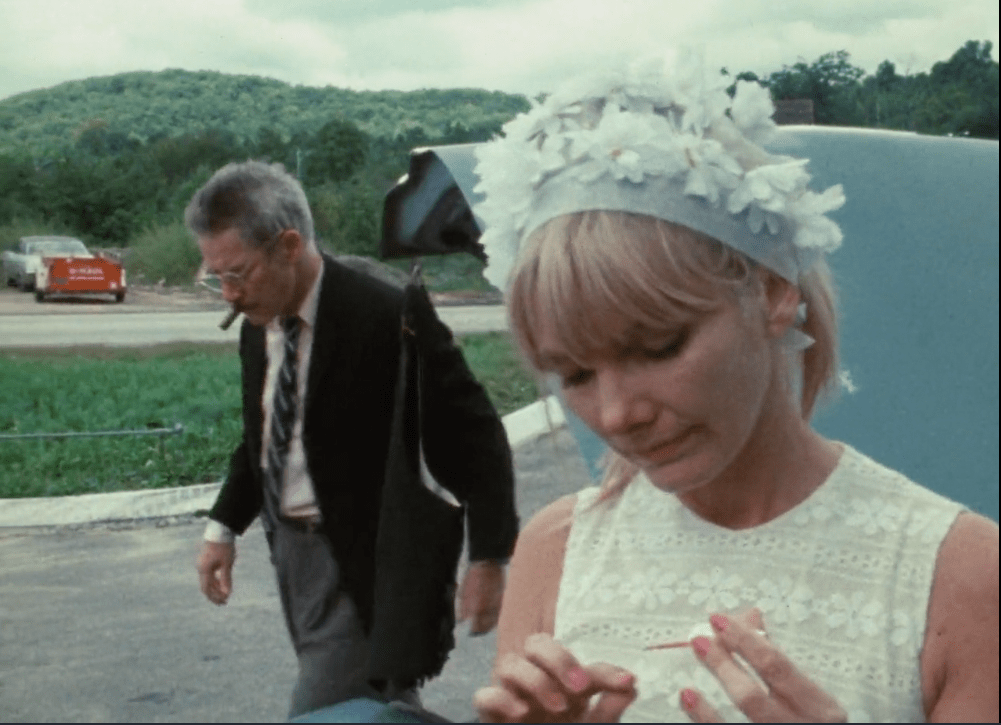
Mr Dennis played by Micheal Higgins and Wanda Barbara Loden on the road
AFTER READING LOVE BY CLARICE LISPECTOR ABOUT A MOTHER AND HER FUNCTIONALITY IN A HERMETIC WORLD WHO IS UNEXPECTEDLY PIERCED BY A CONFUSION A PASSION FOR LIFE WHEN WITNESSING A BLIND MAN CHEWING GUM
I came across this word document notes made from a translation of the French words of Marguerite Duras and Isabelle Huppert on the DVD extra by my friend Luis Moxa Terra
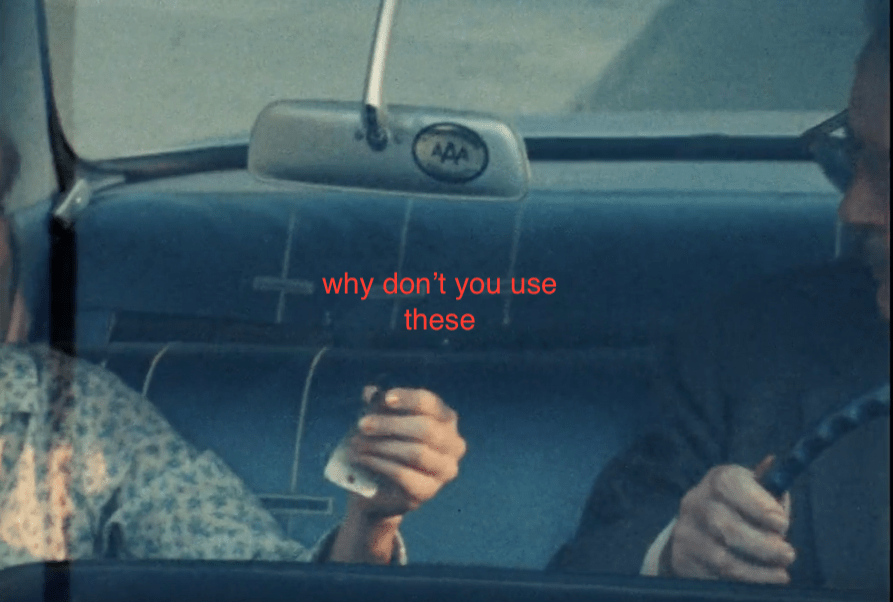
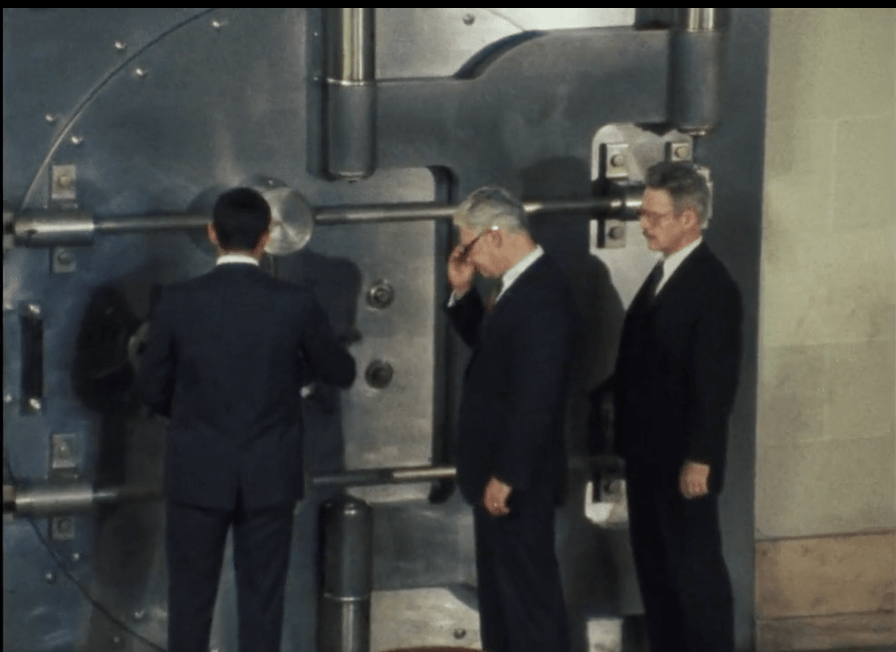
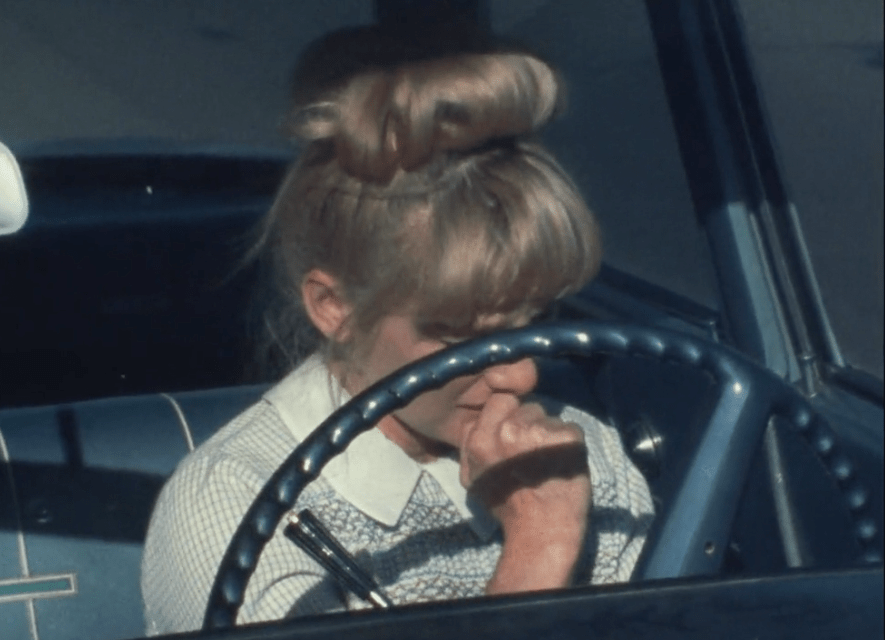
SUDDENLY WANDA THE LIMINAL AND THE EMPTINESS
2.First shot begins with a mother and her children, so you think this is the story but at the end of the day nothing is foreseen and it branches out, it
Constantly splits
Whilst giving a hint that she might be going one way she goes another portraying a precarious universe …and then the camera pans out, a formless thing draped over the settee a blonde mane and then she wakes up and that’s her and everything is said
you understand it’s her who is and was the mother.
So she comes to the court she is deprived of maternal rights no reason to stay
Voila and she comes out in big hair curlers
So that makes it subversive and mad and desperate, it’s genius
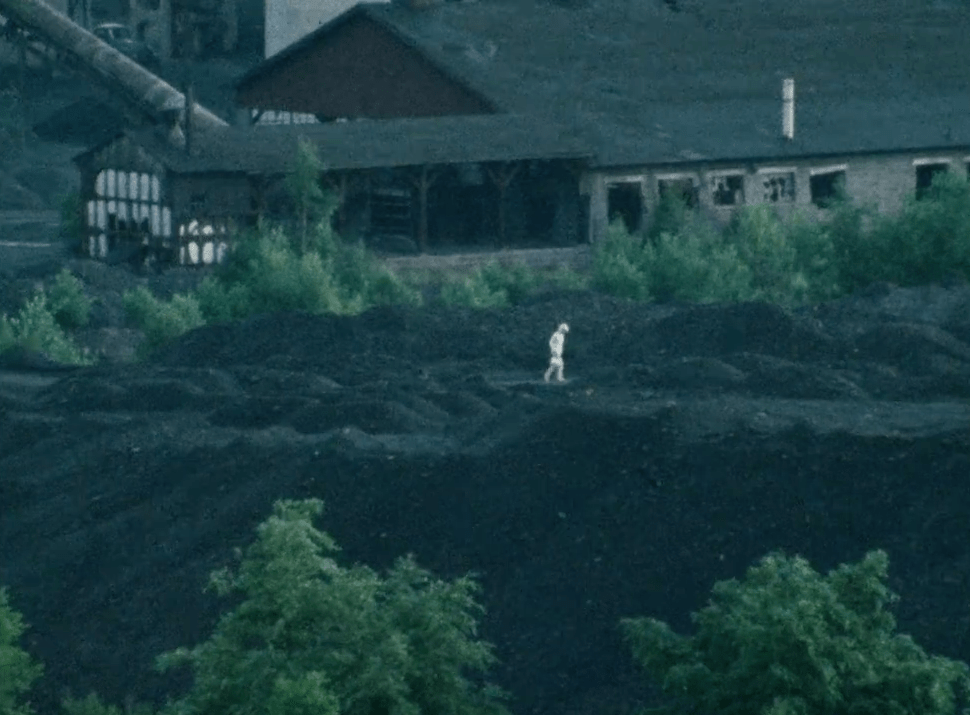

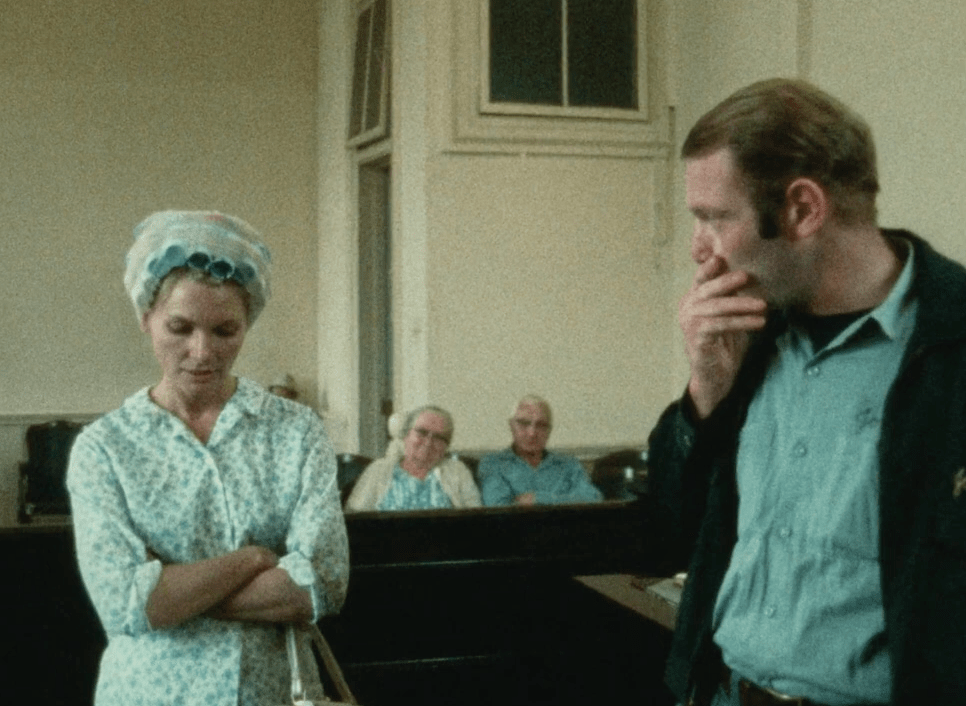
a story that starts violent paying homage to a mother that doesn’t exist she doesn’t make concessions to anyone mostly to herself and not too clichés or to know it all
that makes her a bad mother because she abandons her children she doesn’t have the energy the courage the force or the money to bring them up
She meets a conman by chance who doesn’t have means, a failed conman who takes her on an adventure he needs her and she depends on him.
The film becomes a metaphor for her relationship with cinema and for cinema itself
Because he’s making a bomb that is not going to explode, a bit like cinema itself, because in the end everybody makes their little bombs, some of them explode, while others are like wet fireworks
What’s remarkable is the way she talks about the emptiness
she is somebody who floats in suspension permanently, it’s very rare in cinema to show this emptiness. In general we want silence to be as short as possible as sonorous as possible and in her film there are holes, they are true silences something that escapes, something that is gaping in fact in American mainstream cinema everything is too well finished filled in, too explained, so she makes a film which is mysterious very allusive with a powerful evocation through images
it’s real cinema it’s not just about filming whatever she is filming, her cinema is a relationship between her and the universe.
1.or 2 officially she’s telling a story pathetic and there are also ghosts that appear and she is a little bit between (the wizard of oz) the clown: Chaplin and the angel in this film there is something incredibly innocent and then all of a sudden there’s a burlesque and then she conjures ghosts (blind spots)
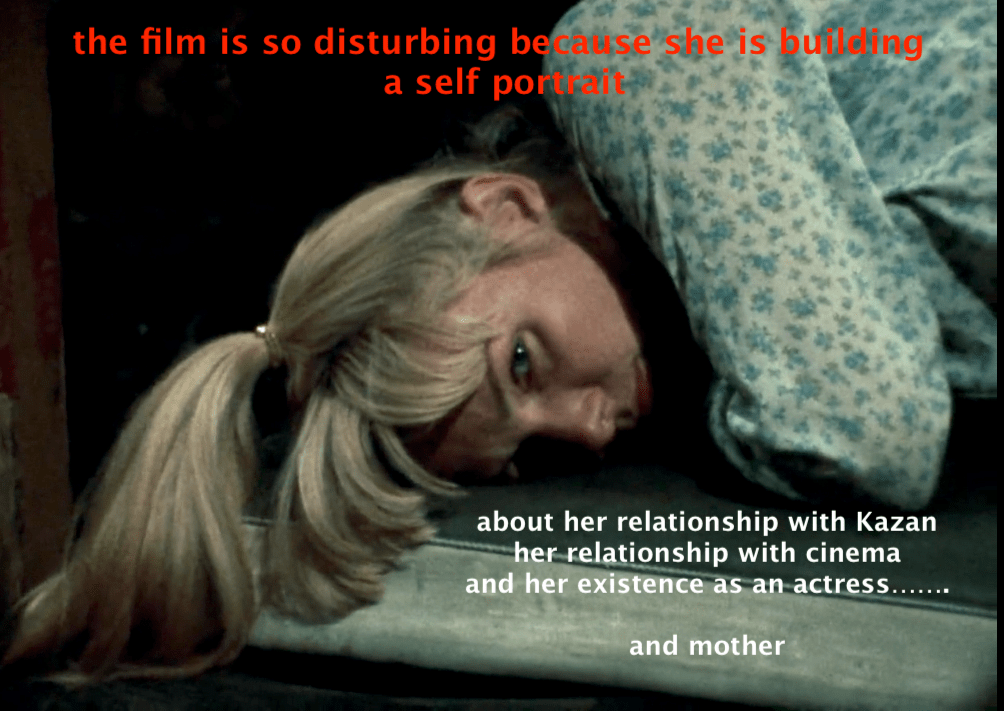
I had heard a lot about Barbara Loden at the end of the 70’s she had just died I didn’t know her face when I discovered her film I was v disturbed
I saw the film I saw what was beyond the film I saw what was in the film which was perhaps more …about her relationship with Elia Kazan her relationship with cinema and her existence as an actress.
In a very indirect way she talks about herself through an imaginative fiction and I think the film is so disturbing because she is building a self portrait.
When I saw the film the clues appeared to me clearly and I remembered everything Kazan used to tell me…
I was able to do a double reading of the film at the same time it’s beautiful but ironical because if she really is talking about herself and Kazan at this point you can think she might be extrapolating and she’s going from filmmaker to talk about cinema in general but is she really talking about herself and Kazan and he’s just a little gangster because the film is so cheeky and ironic in it’s mocking of men.
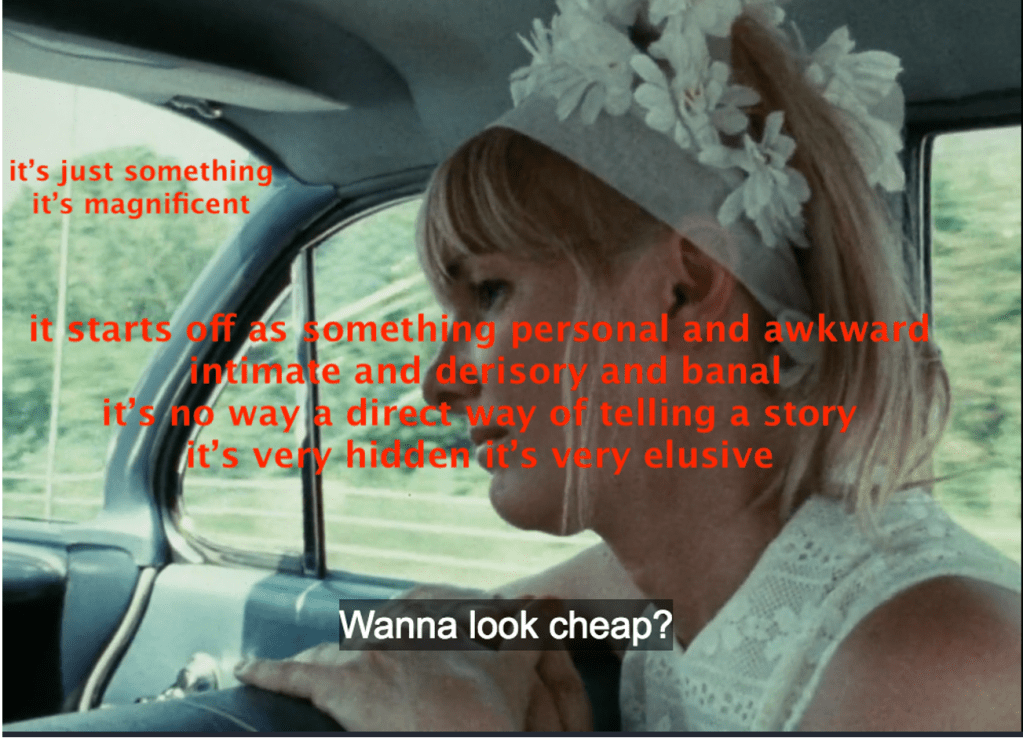
That must have disturbed him because he must have understood when he saw the film and it doesn’t mean that she was saying that’s what Kazan was but that’s what we all are small and big at the end of the day and women are smaller and so identified with children.
That he isn’t special he’s big and small and that cinema is that cinema is about to do with traffic between the big and the small
Traffic always between the very big and the very small and it makes a lot of noise
People talk a lot about it with considerable emotional elements but at the same time its very small because it starts off as something personal and awkward intimate and derisory and banal, it’s not in anyway a direct way of telling your own story, its very hidden, it’s very elusive, at the end of the day she’s telling a story that’s rather pathetic and banal
3.The end
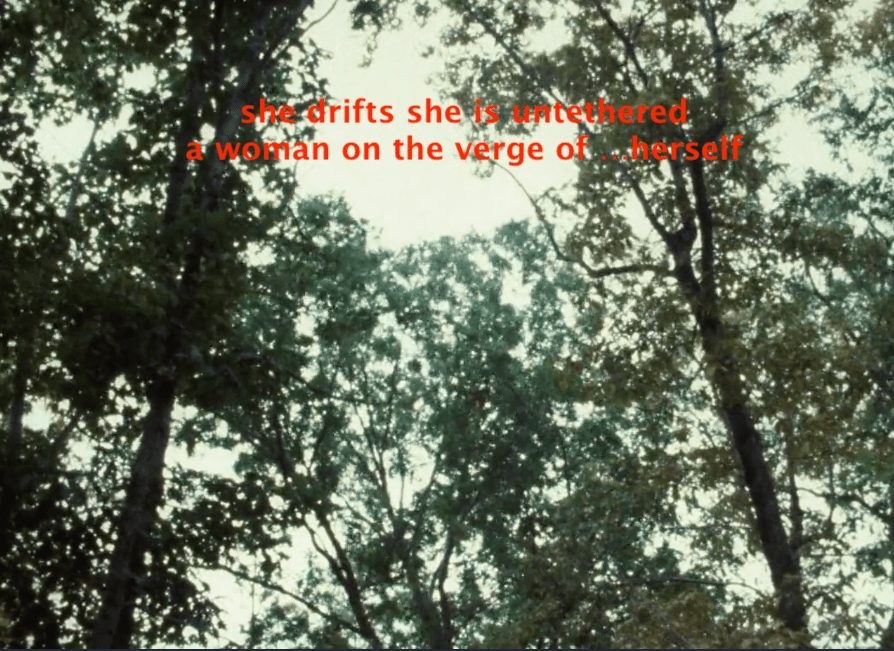
she drifts she is untethered.
The film displeased feminists in US I imagine feminists at this time as caricatures a bit basic, that’s natural they thought she should have been more combative but in what she presents there’s nothing of that, she’s a victim and allows herself to be manipulated and used, she drifts she is untethered.
And by doing this she creates a new image that’s often the case when you’re a pioneer an image not seen before and so you’re not understood by the greatest number.
Scared of my own id with wanda….
TEXT by Marguerite Duras she said Wanda was a bit of all of us maybe not all of us but all of us women big smile
Its good that people want to see this at the end of the day you feel how there is a knowledge of cinema and there is a relationship with cinema that makes it possible to understand this film.
It’s a fact films are faster
In the sixties it was a rhythm based on language spoken
Now we have faster rhythm not linked to the word but to an abundance of images
Change over the 70’s
Proof that they need it taste of a diff time and space
Eg walking in the city and walking in the forest
Sa nuit du chausseur swansong
4.Le vide emptiness nous toutes all of us women
Movie is a heist
In an extraordinary way and on top of that in America it is unexpected she shows people neither powerful nor meaningful they are just random and there is something unresolved unresolved in this film and in her
And that’s where I felt that she captured something of her relation with cinema with men that was unresolved, as an actress she didn’t become well known she had some small roles she was pushed aside and she must have suffered a lot
She establishes a link of intimacy very deep between her and the viewer and when somebody gets to be able to tell that in cinema its masterful because suddenly you have the impression she’s addressing each of us from the deepest part of herself and the way in which she weaves these links creates magic, in truth much stronger than if she told us a story.
suddenly we go into another dimension
All of a sudden
We are not in the dimension of any spectacle or a show or a film that should last for 2 hrs even we’re in the field of humanity of the unconscious the effect is a bit like listening to music when you listen to music you can listen for quite a long time
There’s something also close to death in this film the walk in the catacombs brings up this getting lost at some time in life and some time in death.
There’s life because she allows herself to be herself and a natural beauty emerges.
She gives herself permission to be similar to nobody else except herself she allows herself not to conform to any models erotic or otherwise, the way she is filmed something of abundance of apparent indifference but its just apparent not imprisoned by clichés she is doing something people will do a lot later